Fundamental Points for Outlining Your Birth Plan With a Doula
Putting together a birth plan in collaboration with a birth professional is a important move for parents awaiting birth. It gives them the ability to state their inclinations and ready for various scenarios. Effective exchange and partnership are key to making sure that the plan embodies their desires. By grasping the essentials of a birth plan, parents can navigate the difficulties of labor with confidence. What are the fundamental aspects that should not be overlooked?
Why a Doula Is Important for Your Birth Plan
Although many expectant parents might consider their birth plan a basic list, the inclusion of a doula can transform this document into a thorough guide for a positive birthing experience. Doulas offer emotional and physical support, helping parents articulate their preferences and manage the complexities of labor. Their expertise can enhance dialogue between the birthing team and the parents, guaranteeing that everyone is aligned with the birth plan.
A doula's attendance may diminish anxiety, offering reassurance and comfort in labor. They also support parents by providing evidence-based information, allowing informed decisions. A doula also helps with pain management methods and fosters a supportive atmosphere, potentially leading to better outcomes. Expectant parents can design a more personalized and supportive birth plan by involving a doula, cultivating a positive atmosphere that emphasizes emotional and physical well-being of the birthing individual.
Fundamentals of a Birth Plan
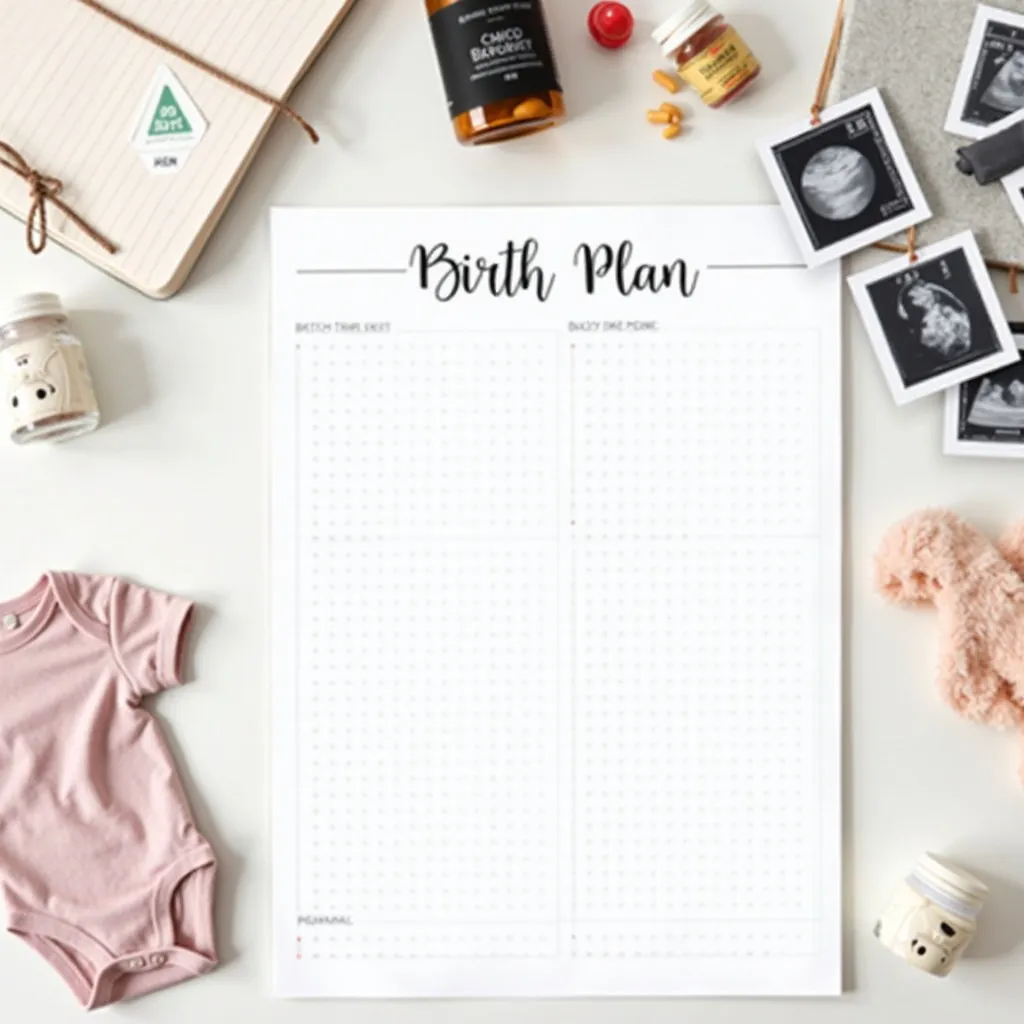
A carefully planned birth plan functions as an crucial guide for parents-to-be, outlining their preferences and expectations for childbirth. It should start with the basics, encompassing the location of birth, whether it be a hospital, birthing center, or home. Expectant parents should reflect on their preferred support group, indicating who will be present during labor and delivery.
Additionally, the birth plan should address pain management options, such as preferred medications or alternative methods like controlled breathing and hydrotherapy. It is also important to communicate preferences regarding interventions, such as episiotomy or the use of forceps.
Parents should think about immediate post-birth wishes, including skin-to-skin contact and breastfeeding intentions. Finally, the plan should be adaptable, recognizing that circumstances can change during labor. Working alongside a doula can help ensure that the birth plan reflects the family's values while remaining adaptable to the unfolding experience.
Key Considerations to Consider for Your Birth Plan
What elements should parents-to-be emphasize when establishing their birth plan? First and foremost, understanding their tastes pertaining to pain management is necessary. They should evaluate options such as epidurals, natural methods, or a combination. Additionally, the environment where the birth will take place—hospital, birthing center, or home—should harmonize with their comfort levels and values.
One more important element is the significance of supportive individuals during childbirth, comprising partners, kin, and doulas. Parents must explore how they envision these people contributing to the birthing experience.
In addition, parents should review their preferences for clinical procedures, such as the use of artificial labor onset, real-time observation, or cesarean delivery. Finally, it's imperative to contemplate newborn care arrangements, including kangaroo care and feeding choices. By giving priority to these key points, expectant parents can draft a comprehensive birth plan that embodies their values and expectations.
Conveying Your Preferences in a Transparent Manner
Communicating preferences successfully is vital for expectant parents preparing their birth plan. Direct articulation of goals helps guarantee that everyone engaged—medical staff, partners, and doulas—recognizes the parents' vision for the birthing experience. Parents can begin by detailing their priorities, such as pain relief methods, positions for labor, and initial care routines. Using direct speech and avoiding ambiguous terms can strengthen understanding.
Illustrated materials or written documents may assist in conveying key preferences concisely. Parents should also consider discussing their choices in a peaceful and assured manner, building an context of partnership and esteem. It is important to remember that adaptability may be imperative, as circumstances can evolve during labor. By establishing explicit dialogue from the start, expectant parents can create a supportive atmosphere that honors their wishes while remaining open to the dynamic nature of childbirth.
Speaking About Your Preferences and Scenarios With Your Doula
How can expectant parents ensure their wishes are completely comprehended by their birth coach? Open dialogue is essential. Parents should arrange dedicated time to discuss their labor choices, guaranteeing a comprehensive grasp of their desires and concerns. This discussion should cover various scenarios, including pain detailed article management options, labor positions, and early postpartum support.
In addition, parents are able to develop a written record expressing their choices, which acts as a guide for both the doula and the medical team. This document should be flexible, permitting modifications as circumstances develop during labor.
Engaging in different scenarios can prove beneficial; it enables parents articulate their needs while readying for unexpected situations. Ultimately, regular check-ins with the doula throughout the pregnancy can reinforce understanding, fostering a supportive partnership that prioritizes the parents' vision for their birth experience. Open dialogue lays the foundation for a positive and empowering birth journey.
Popular Questions Asked Often
Can a Doula Assist With Postpartum Care?
Doulas are able to provide considerable postpartum aid, offering emotional reassurance, practical assistance, and resources for new parents. Their presence helps address the challenges of early parenthood, encouraging a smoother progression into family life.
What's the Best Way to Select a Doula That's Right for You?
To choose the right doula, one should evaluate qualifications, experience, compatibility, and personal philosophy. Interviews and references are essential to guarantee a good match, as comfort and trust play critical roles in the birthing experience.
What if My Birth Plan Alters Suddenly?
When a birth plan shifts suddenly, adaptability is crucial. Embracing adaptability enables parents to manage unexpected challenges, ensuring they remain knowledgeable and backed by their doula, who can offer reassurance and guidance throughout the process.
Are Doulas qualified in Medical Procedures?
Doulas lack instruction in medical procedures; their purpose emphasizes mental and physical care during labor. They supply comfort measures, data, and support, establishing a positive birth experience while working in conjunction with healthcare staff.
How much will you pay for a doula typically?
Doulas usually charge between $800 and $2,500, depending on factors such as experience, location, and services offered. This investment often comprises prenatal consultations, ongoing labor assistance, and postpartum assistance, enhancing the birthing experience.
Comments on “Complete Guide to writing a personalized birth plan”