Is a Home Paternity Test Suitable for You? Advantages and Disadvantages
The decision to use a home paternity test is multifaceted. It provides ease and discretion, attracting individuals in search of prompt results. Still, the likelihood of inaccuracies and emotional repercussions can create further complications. Furthermore, these tests are not legally recognized, which calls their dependability into question. Understanding these factors is essential. What would be the wisest approach for people navigating these difficult circumstances?
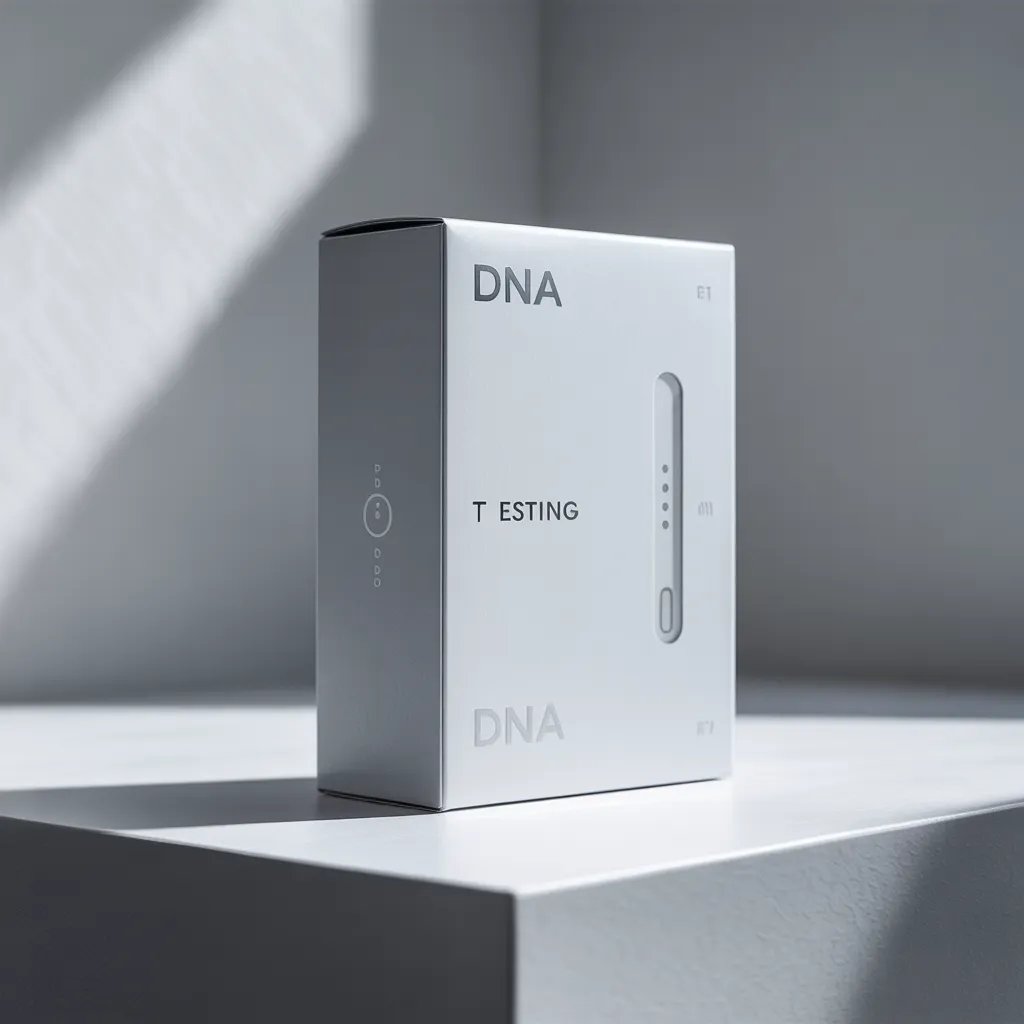
How Home Paternity Tests Work
At-home paternity tests streamline the procedure for establishing familial ties through a convenient method. Generally, these tests require collecting DNA samples from the people being tested, typically using buccal swabs. Participants adhere to the included guidelines to confirm proper sample collection and handling. When the specimens have been obtained, they are dispatched to a specialized testing facility for analysis.
At the testing facility, DNA undergoes extraction and comparison to evaluate biological connections. The examination procedure utilizes advanced techniques to identify markers that indicate a biological relationship. Results are usually available within a short timeframe, providing clarity to individuals questioning biological ties.
Whereas home paternity tests deliver ease of use and privacy, it is important for people to recognize that these tests are intended for informational purposes and may not carry legal weight. Individuals seeking documented findings for legal purposes may need to seek accredited testing at certified facilities.
The Key Benefits of At-Home Paternity Testing
What are the benefits of home paternity testing? Most people are drawn to the ease and discretion that these tests offer. At-home paternity testing supports discrete specimen collection, usually involving straightforward cheek swabs, which can be completed without the necessity of a clinical specialist. This ease of access makes it easier to receive accurate results conveniently and within a comfortable setting.
Moreover, home tests are typically less expensive compared to laboratory tests, making them a compelling option for people with limited budgets. The processing time for results tends to be quicker, generally offering answers within several days.
Additionally, these tests help reduce emotional doubt by providing clarity on paternity matters, which can be crucial for personal relationships and legal matters. All in all, residential paternity tests deliver a practical solution for those looking for answers without the hassle of formal testing environments.
The Hazards of DIY Paternity Testing
While the convenience of home paternity testing is appealing, potential risks should not be overlooked. A primary concern involves the reliability of test results. Home tests may not always adhere to the same rigorous standards as laboratory tests, potentially producing misleading or erroneous results. Furthermore, incorrect sample gathering can undermine the accuracy of the findings, because improper handling or sample contamination can lead to skewed and unreliable conclusions.
Another risk involves privacy and data security. Numerous home testing kits ask users to provide personal details, which may be susceptible to breaches or unauthorized use. Furthermore, people may encounter unforeseen emotional repercussions, since results may trigger family disputes or emotional distress.
Lastly, the legal aspects of home paternity tests should be taken into account. Results from these tests might not be recognized in legal proceedings, reducing their usefulness in legal matters. Overall, while home paternity testing delivers practicality, the accompanying concerns warrant careful consideration.
Emotional and Juridical Aspects of Paternity Testing
Comprehending resource the psychological and legal implications of paternity DNA testing is crucial for those thinking about a home-based test. The emotional consequences from learning about surprising outcomes can be profound, influencing family bonds between parents, children, and relatives. Individuals must prepare for likely sentiments including stress, anger, or uncertainty that could result from the paternity test findings.
From a legal standpoint, the ramifications can also be significant. The findings from a home paternity test might not hold up in court, potentially complicating custody or child support disputes. As a result, those considering such tests should consult legal professionals to understand their options and rights fully. Moreover, confirmed paternity may result in responsibilities related to child support and inheritance, presenting yet another level of complication. Ultimately, informed consideration of both emotional and legal aspects is critical to guiding the potential consequences of paternity testing effectively.
Is a Home Paternity Test the Right Choice for You?
Evaluating whether a home paternity test is the right choice requires thoughtful evaluation of several key factors. Those thinking about pursuing this route should evaluate their motivations, as emotional implications can be significant. A home test offers convenience and privacy, but it does not carry the legal validity of professional lab tests, which are frequently necessary in custody or child support proceedings.
Moreover, accuracy is an important consideration; while numerous home tests prove trustworthy, variations in results can happen. Users should also evaluate the potential impact on family dynamics, as test outcomes may trigger unanticipated repercussions. Additionally, the financial value of home testing should be evaluated against the possible requirement for subsequent legal verification.
At the end of the day, a thorough evaluation of personal circumstances, one's emotional state, and long-term consequences is crucial. Consulting with a professional may help clarify the situation, helping individuals make an informed decision about whether a at-home paternity test aligns with their needs.
Common Questions and Answers
How Accurate Are Home Paternity Tests Compared to Lab Tests?
Residential paternity tests typically offer accuracy rates exceeding 95%, on par with professional lab testing. That said, elements such as sample quality and examination procedures can influence the results. When seeking reliable conclusions, certified lab analysis continues to be the gold standard.
Can I Trust the Privacy of Home Paternity Test Results?
Faith in the security of at-home paternity test results varies by provider. Reputable providers apply strict confidentiality protocols, but consumers should examine guidelines and client testimonials to confirm sensitive details stays protected throughout the process.
What Is the Typical Cost of Home Paternity Tests?
Home paternity tests typically range from $100 to $500, according to the service provider and the intricacy of the testing process. Additional expenses may occur for expedited results or specialized testing services, impacting the overall expense.
How Long Will It Take to Obtain Results From a Home Test?
Home paternity test results are typically available in between three to seven days. Certain services may offer faster processing options, yielding results in as few as one or two days, subject to the processing speed of the laboratory.
Are Home Paternity Tests Legal in All States?
Home paternity tests are generally legal in all states; however, particular rules and requirements can differ. Individuals must verify applicable local laws and confirm compliance with all necessary legal requirements prior to proceeding.
Comments on “Home Paternity Test: Reliable Relationship Testing for Personal Answers”